Oat Flour Bread Recipe: Soft, Delicious, and Gluten-Free!
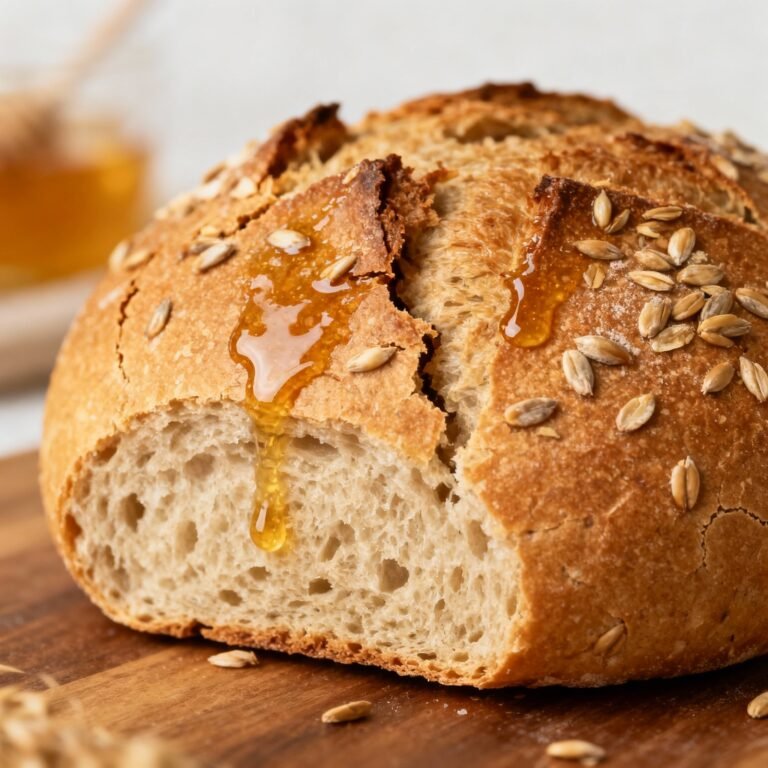
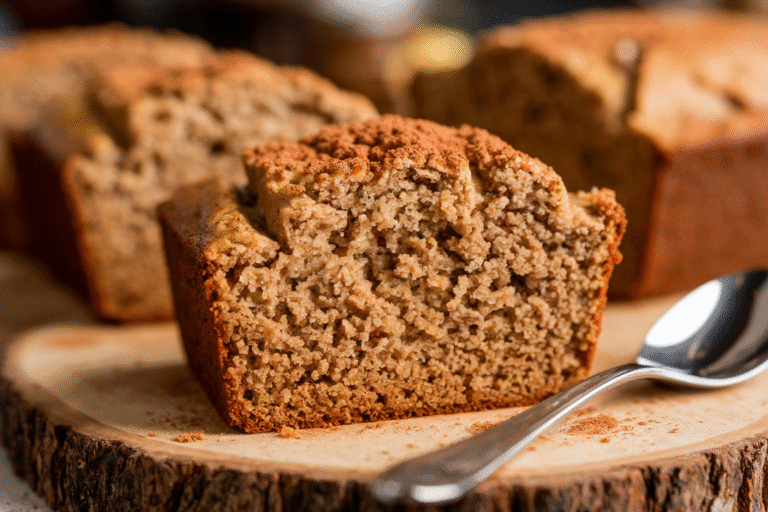
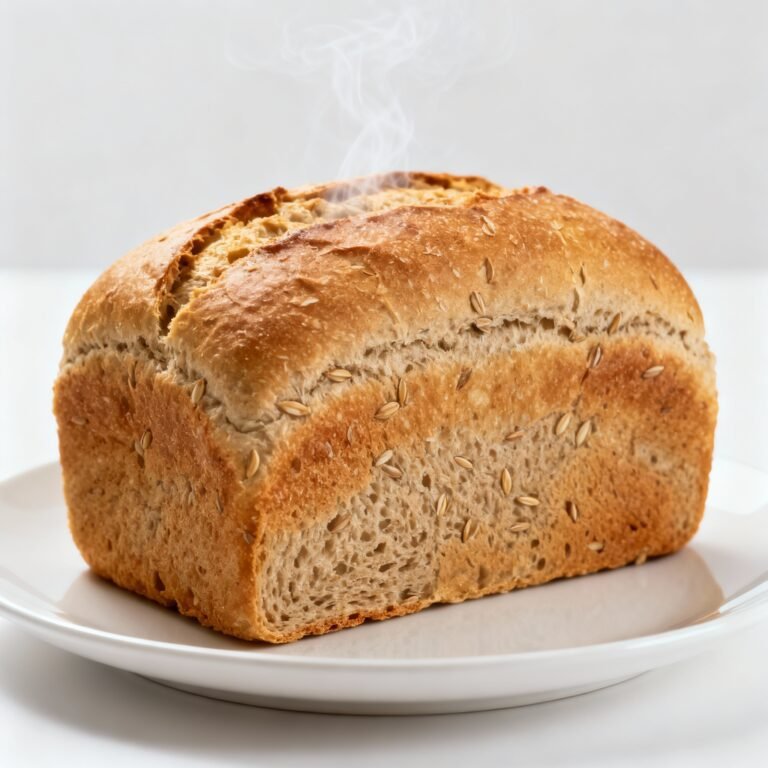
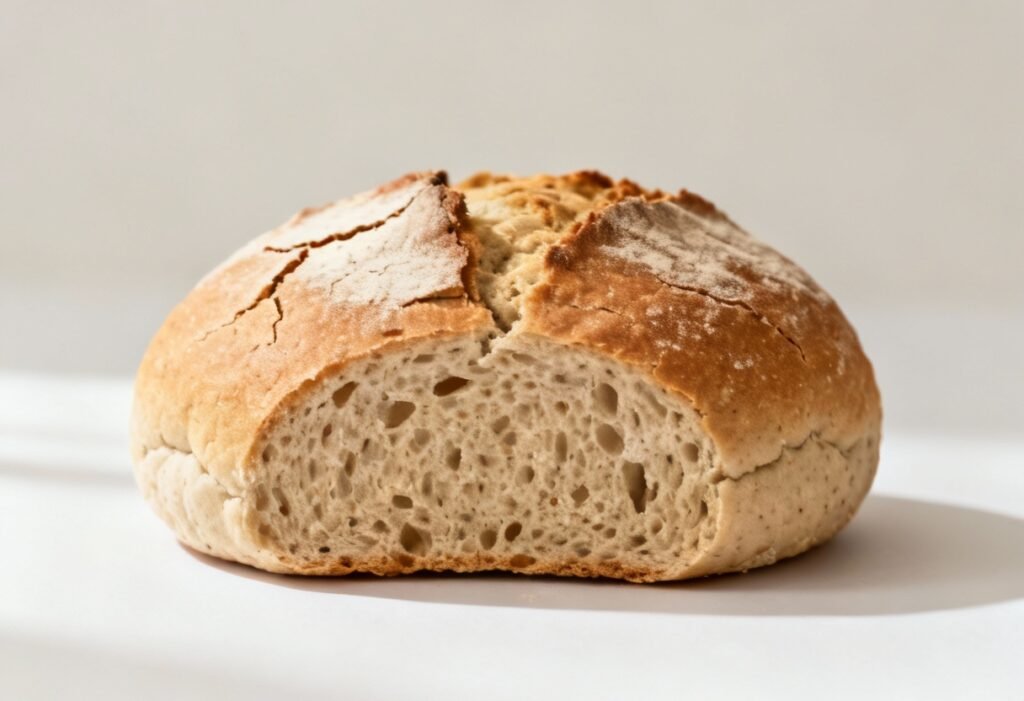
Craving freshly baked bread but looking for a gluten-free and wholesome alternative? Look no further! This oat flour bread recipe delivers a delightfully soft, slightly nutty, and incredibly satisfying loaf that’s perfect for sandwiches, toast, or simply enjoying with a pat of butter. Say goodbye to dense, dry gluten-free bread and hello to a recipe that’s easy to follow, yields consistent results, and will quickly become a family favorite.
Why This Recipe Works
Many gluten-free bread recipes struggle with texture, often resulting in a crumbly or gummy final product. This recipe overcomes those challenges by:
- Utilizing a blend of ingredients: Oat flour forms the base, providing a naturally sweet and slightly nutty flavor. We combine it with other ingredients to create the right structure and texture.
- Incorporating a binder: Psyllium husk powder acts as a binder, mimicking the role of gluten in traditional bread. It helps to create a cohesive dough and prevent the bread from crumbling.
- Using warm water: Warm water activates the yeast and helps to create a light and airy texture.
- Allowing sufficient rise time: A proper rise is crucial for developing the bread’s flavor and texture. We allow the dough to rise twice, ensuring a light and fluffy loaf.
- Baking at the right temperature: Baking at a moderate temperature ensures that the bread cooks evenly without burning.
Ingredients
- 3 cups (360g) oat flour, finely ground
- 1 tablespoon (7g) active dry yeast
- 1 tablespoon (15ml) honey or maple syrup (optional, for yeast activation)
- 1 ½ cups (360ml) warm water (105-115°F / 40-46°C)
- 2 tablespoons (14g) psyllium husk powder
- 2 tablespoons olive oil or melted coconut oil
- 1 teaspoon salt
- Optional: 1 teaspoon apple cider vinegar (for a slightly tangy flavor)
Instructions
- Activate the Yeast: In a large bowl, combine the warm water and honey (if using). Sprinkle the active dry yeast over the water. Let it sit for 5-10 minutes, or until the yeast is foamy. This indicates that the yeast is active and ready to use. If the yeast doesn’t foam, it may be expired and should be replaced.
- Combine Dry Ingredients: In a separate bowl, whisk together the oat flour, psyllium husk powder, and salt.
- Combine Wet and Dry Ingredients: Add the olive oil (or melted coconut oil) and apple cider vinegar (if using) to the yeast mixture. Gradually add the dry ingredients to the wet ingredients, mixing with a wooden spoon or spatula until a shaggy dough forms. The dough will be quite sticky.
- First Rise: Cover the bowl with plastic wrap or a clean kitchen towel and let it rise in a warm place for 60-90 minutes, or until doubled in size. This step is crucial for developing the bread’s flavor and texture.
- Shape the Dough: Gently punch down the dough to release any air. Turn the dough out onto a lightly oat-floured surface. Shape the dough into a loaf. You can either shape it into a round boule or a more traditional loaf shape. If the dough is too sticky to handle, lightly dust your hands with oat flour.
- Second Rise: Place the shaped dough into a greased 8×4 inch loaf pan. Cover the pan with plastic wrap or a clean kitchen towel and let it rise in a warm place for another 30-45 minutes, or until the dough has risen slightly above the rim of the pan.
- Preheat Oven: Preheat your oven to 375°F (190°C).
- Bake the Bread: Bake the bread for 45-55 minutes, or until the crust is golden brown and the internal temperature reaches 200-210°F (93-99°C). You can check the internal temperature with a digital thermometer. If the crust is browning too quickly, tent it with aluminum foil.
- Cool the Bread: Remove the bread from the oven and let it cool in the pan for 10 minutes. Then, transfer the bread to a wire rack to cool completely before slicing. This is important, as slicing the bread while it’s still warm can result in a gummy texture.
Tips for Success
- Use finely ground oat flour: Coarsely ground oat flour can result in a gritty texture. If your oat flour is not finely ground, you can pulse it in a food processor until it reaches a finer consistency.
- Don’t skip the psyllium husk powder: This ingredient is essential for binding the dough and preventing it from crumbling.
- Use warm water, not hot water: Hot water can kill the yeast. The water should be warm to the touch, but not scalding.
- Be patient with the rise times: Allowing the dough to rise properly is crucial for achieving a light and airy texture.
- Cool completely before slicing: Slicing the bread while it’s still warm can result in a gummy texture.
- Experiment with additions: Feel free to add other ingredients to the dough, such as seeds, nuts, or dried fruit.
- If your dough seems too wet: Add one tablespoon of oat flour at a time until it reaches the right consistency. Remember that oat flour dough is naturally stickier than wheat flour dough.
- If your dough seems too dry: Add one tablespoon of warm water at a time until it reaches the right consistency.
- Oven Temperatures Vary: Keep a close eye on your bread while baking, and adjust baking time as needed based on your oven.
Storage Instructions
Store the cooled oat flour bread in an airtight container at room temperature for up to 3 days. For longer storage, wrap the bread tightly in plastic wrap and freeze it for up to 2 months. Thaw the bread at room temperature before slicing and serving. You can also slice the bread before freezing and thaw individual slices as needed.

FAQ
Q: Can I use quick oats instead of oat flour?
A: No, you cannot use quick oats directly. Quick oats are processed differently and will not produce the same results. You need to use oat flour, which is finely ground oats.
Q: Can I use steel-cut oats instead of oat flour?
A: No, steel-cut oats are not suitable for this recipe. They are too coarse and will not bind properly.
Q: Can I use a different type of flour in this recipe?
A: This recipe is specifically formulated for oat flour. Substituting other flours may not yield the same results. You may need to adjust the liquid and other ingredients accordingly.
Q: Can I make this recipe without yeast?
A: This recipe relies on yeast for leavening. Without yeast, the bread will be dense and flat. You would need to adapt the recipe significantly to use a different leavening agent, such as baking powder or baking soda, but the taste and texture will be different.
Q: My bread is gummy. What did I do wrong?
A: Gummy bread can be caused by several factors, including: not cooling the bread completely before slicing, using too much liquid, or not baking the bread long enough. Make sure to follow the recipe carefully and check the internal temperature of the bread with a digital thermometer.
Q: Can I add seeds or nuts to this bread?
A: Yes! You can add seeds or nuts to the dough before the second rise. About 1/4 to 1/2 cup is a good amount. Sunflower seeds, pumpkin seeds, chopped walnuts, and pecans are all good options.
Conclusion
This oat flour bread recipe is a fantastic way to enjoy the comforting taste of homemade bread without the gluten. With its soft texture, subtle nutty flavor, and easy-to-follow instructions, this recipe is sure to become a staple in your kitchen. So, gather your ingredients, preheat your oven, and get ready to bake a delicious and wholesome loaf of oat flour bread that everyone will love!