Orange Chiffon Cake Recipe: Light, Airy Perfection!
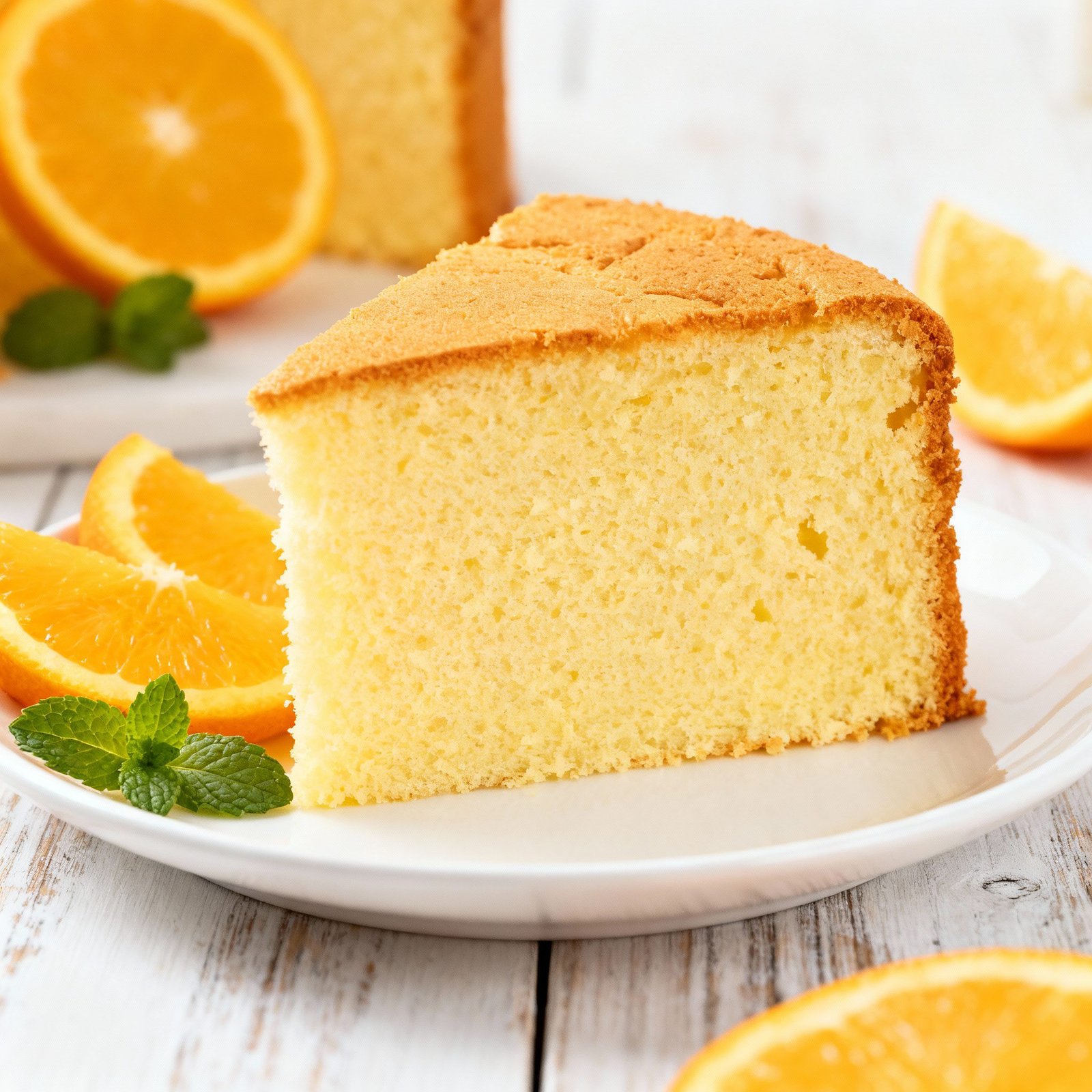
Imagine biting into a cloud, but a cloud bursting with bright, citrusy sunshine. That’s exactly what this Orange Chiffon Cake delivers. This isn’t your average cake; it’s a feather-light, incredibly moist, and intensely flavorful dessert that’s guaranteed to impress. Forget dense, heavy cakes – this chiffon cake practically floats off the plate. Whether you’re celebrating a special occasion or simply craving a delightful treat, this recipe will become your new go-to for a show-stopping dessert. Get ready to experience the magic of orange chiffon!
Why This Recipe Works
This recipe isn’t just about throwing ingredients together; it’s about understanding the science behind a perfect chiffon cake. Here’s why this recipe consistently delivers light, airy results:
- The Egg Separation Technique: Separating the eggs and whipping the whites to stiff peaks is crucial. This creates the air pockets that give the cake its signature lightness. The yolks, meanwhile, contribute richness and flavor.
- Oil vs. Butter: Using oil instead of butter keeps the cake incredibly moist. Butter can solidify and weigh down the cake, but oil stays liquid at room temperature, resulting in a softer texture.
- Cake Flour: Cake flour has a lower protein content than all-purpose flour, which prevents gluten development and ensures a tender crumb.
- Folding Technique: Gently folding the whipped egg whites into the batter is essential for maintaining their volume. Overmixing will deflate the whites and result in a dense cake.
- The Tube Pan: A tube pan with a removable bottom and “feet” is essential for chiffon cakes. The center tube allows heat to circulate evenly, and the “feet” allow you to invert the pan while the cake cools, preventing it from collapsing.
Ingredients
- Cake Flour: 1 ½ cups (150g), sifted
- Granulated Sugar: ¾ cup (150g), divided
- Baking Powder: 1 ½ teaspoons
- Salt: ½ teaspoon
- Vegetable Oil: ⅓ cup (80ml)
- Orange Juice: ½ cup (120ml), freshly squeezed
- Orange Zest: 2 tablespoons, finely grated
- Egg Yolks: 5 large
- Egg Whites: 5 large
- Cream of Tartar: ¼ teaspoon

Instructions
- Prepare the Oven and Pan: Preheat your oven to 325°F (160°C). Do not grease the tube pan! This is crucial for the cake to rise properly.
- Combine Dry Ingredients: In a large bowl, whisk together the sifted cake flour, half of the granulated sugar (½ cup or 100g), baking powder, and salt.
- Combine Wet Ingredients: In a separate bowl, whisk together the vegetable oil, orange juice, orange zest, and egg yolks until well combined.
- Combine Wet and Dry: Gradually add the wet ingredients to the dry ingredients, whisking until just combined. Do not overmix. The batter will be slightly thick.
- Whip Egg Whites: In a clean, grease-free bowl, beat the egg whites with an electric mixer until foamy. Add the cream of tartar and continue beating until soft peaks form. Gradually add the remaining granulated sugar (¼ cup or 50g) and beat until stiff, glossy peaks form. Be careful not to overwhip.
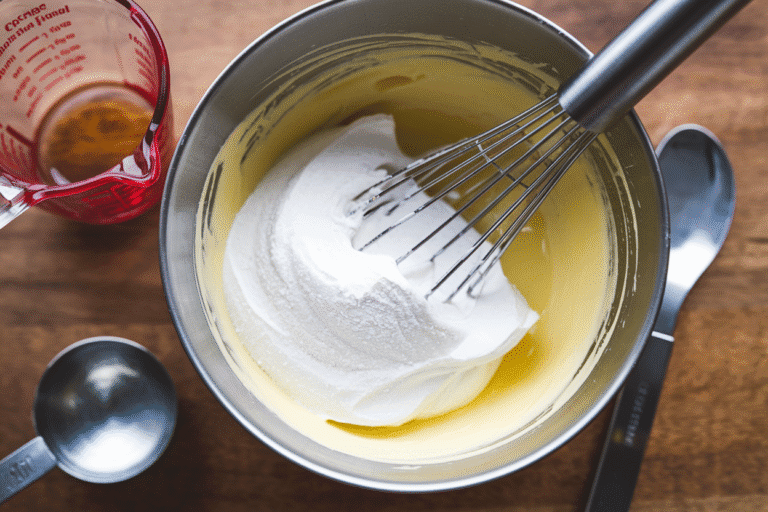
- Fold Egg Whites into Batter: Gently fold one-third of the whipped egg whites into the yolk batter to lighten it. Then, gently fold in the remaining egg whites in two additions, being careful not to deflate the whites. Use a spatula and fold from the bottom up, rotating the bowl as you go.
- Pour into Pan: Pour the batter into the ungreased tube pan.
- Bake: Bake for 50-60 minutes, or until a wooden skewer inserted into the center comes out clean.
- Invert and Cool: Immediately invert the pan onto a wire rack. The “feet” of the tube pan will hold the cake in place. Let the cake cool completely upside down for at least 1-2 hours, or until the pan is cool to the touch. This prevents the cake from collapsing.
- Release the Cake: Once the cake is completely cool, run a thin knife or offset spatula around the edges of the pan to loosen the cake. Gently push the cake up from the bottom of the pan (if it’s a two-piece pan) or invert the cake onto a serving plate.
- Serve: Dust with powdered sugar, glaze with orange icing, or serve plain. Enjoy!
Tips for Success
- Use Fresh Ingredients: Freshly squeezed orange juice and freshly grated orange zest will give the cake the best flavor.
- Sift the Cake Flour: Sifting the cake flour ensures that there are no lumps and that it is evenly distributed in the batter.
- Don’t Overmix: Overmixing the batter will develop the gluten in the flour, resulting in a tough cake.
- Be Gentle When Folding: Gently folding the egg whites into the batter is crucial for maintaining their volume.
- Cool Completely: Cooling the cake completely upside down is essential for preventing it from collapsing.
- Use Room Temperature Eggs: Room temperature eggs will whip up to a greater volume.
- Clean Equipment: Make sure your mixing bowl and whisk attachment are completely clean and free of grease before whipping the egg whites. Grease will prevent the egg whites from whipping properly.
Storage Instructions
This Orange Chiffon Cake is best enjoyed fresh, but it can be stored at room temperature for up to 2 days in an airtight container. You can also store it in the refrigerator for up to 5 days. For longer storage, you can freeze the cake for up to 2 months. Wrap the cake tightly in plastic wrap and then in foil before freezing.

FAQ
Q: Can I use all-purpose flour instead of cake flour?
A: While you *can*, the texture will be different. Cake flour has a lower protein content, resulting in a more tender crumb. If you must use all-purpose flour, substitute 2 tablespoons of the flour with 2 tablespoons of cornstarch for each cup of flour.
Q: Can I use bottled orange juice?
A: Freshly squeezed orange juice is highly recommended for the best flavor. Bottled orange juice often contains added sugars and preservatives that can affect the taste and texture of the cake. However, if you must use bottled juice, choose a high-quality, 100% orange juice with no added sugar.
Q: My cake collapsed after baking. What did I do wrong?
A: There are several reasons why your cake might have collapsed:
- Overmixing the batter.
- Not cooling the cake upside down.
- Opening the oven door too frequently during baking.
- Underbaking the cake.
- Deflating the egg whites during folding.
Q: Can I add a glaze to this cake?
A: Absolutely! A simple orange glaze made with powdered sugar and orange juice would be a delicious addition. You can also use a cream cheese frosting or a chocolate ganache for a richer flavor.
Conclusion
This Orange Chiffon Cake recipe is more than just a dessert; it’s an experience. The ethereal texture, the vibrant citrus flavor, and the sheer elegance of the cake make it a truly special treat. Don’t be intimidated by the multiple steps – with a little patience and attention to detail, you’ll be rewarded with a cake that’s light, airy, and utterly irresistible. So go ahead, bake up a little sunshine and share the joy of this amazing Orange Chiffon Cake!