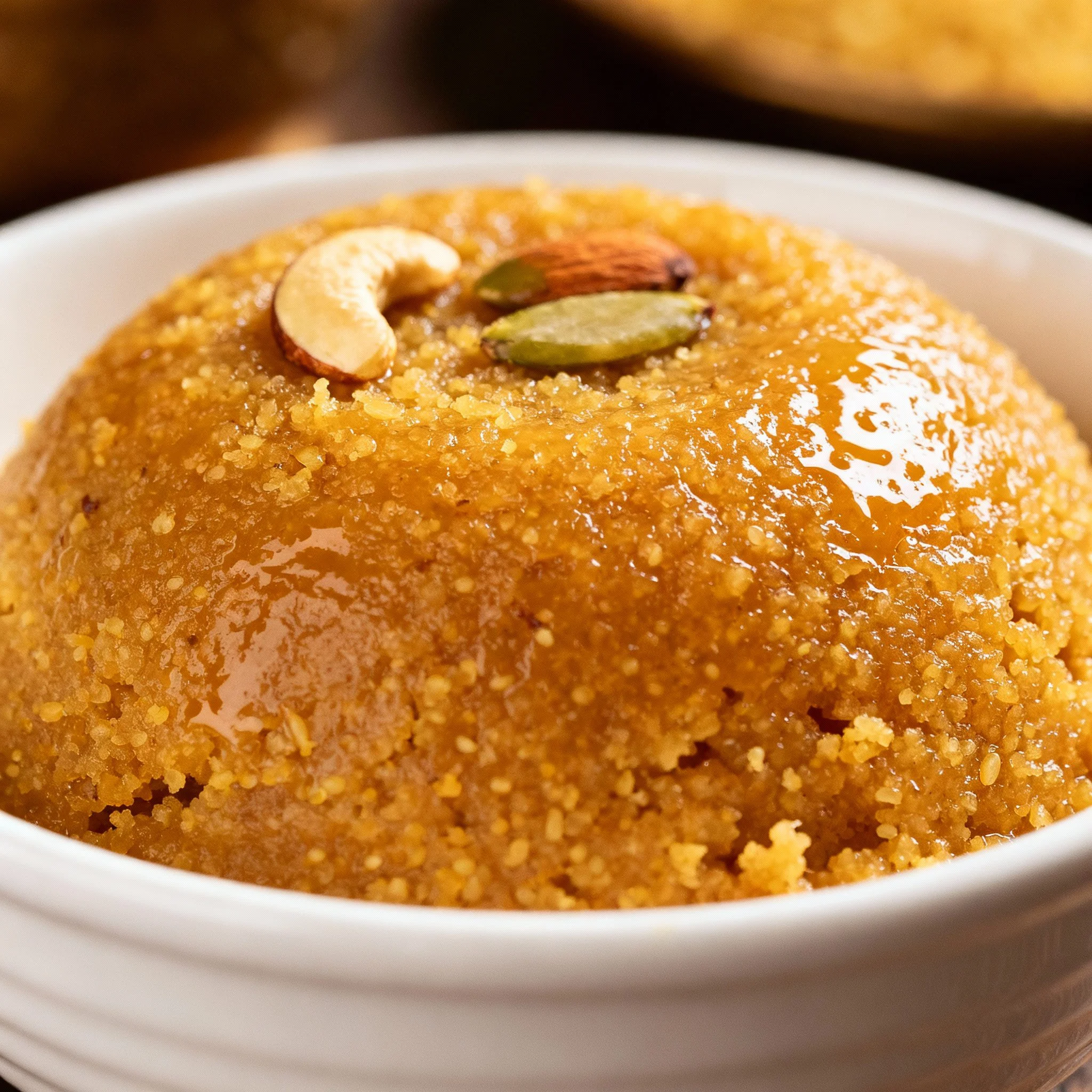
Sooji Ka Halwa Recipe: The Secret to Perfect Texture Every Time!
👩🍳 The Home Chef's Essential Kitchen
Consistently cooking incredible, healthy meals at home is so much easier when you aren't fighting with cheap tools. These are the 5 absolute powerhouse kitchen essentials that professional chefs and serious home cooks rely on every single day to get perfect results.
🍳 Lodge 10.25" Cast Iron Skillet
The single greatest value in all of cookware. It retains heat infinitely better than cheap non-stick pans, allowing you to get a restaurant-quality crust on steaks or perfect crispy edges on cornbread. With proper care, this $20 pan will literally outlive you.
🔪 Victorinox Fibrox Pro 8" Chef's Knife
A dull knife makes cooking a frustrating chore. This specific blade is the undisputed champion of the culinary world—it holds a terrifyingly sharp edge, features a comfortable non-slip grip, and performs identical to German knives that cost quadruple the price.
🌡️ ThermoPro Instant Read Thermometer
Never serve dry chicken or undercooked pork again. An instant-read thermometer is the secret difference between amateur cooks who 'guess' when protein is done, and professionals who know exactly when to pull meat off the heat for maximum juiciness.
🍲 Lodge Enameled Cast Iron Dutch Oven
The ultimate workhorse for soups, stews, braised short ribs, and baking crusty artisanal bread. The enameled interior provides incredible heat distribution for slow-cooking while eliminating the intense seasoning maintenance required by bare cast iron.
🥄 Bpa-Free Silicone Utensil Set
Throw away those melting plastic spatulas and bacteria-harboring wooden spoons. This pure silicone set is heat-resistant up to 600°F, won't scratch your expensive pans, and features seamless designs that make cleaning out thick sauces and batters effortless.
Sooji ka halwa, a warm, comforting, and utterly delicious semolina pudding, holds a special place in Indian cuisine. It’s more than just a dessert; it’s a symbol of celebration, a comforting treat on a chilly evening, and a simple offering of love. This halwa, with its rich ghee aroma, delicate sweetness, and melt-in-your-mouth texture, is a staple in homes across the country. But achieving that perfect texture – not too dry, not too sticky, but just right – can sometimes feel like a culinary challenge. Fear not! This recipe provides a foolproof method, complete with tips and tricks, to help you create the most exquisite sooji ka halwa you’ve ever tasted.
Whether you’re a seasoned cook or a complete beginner, this recipe is designed to guide you through each step with clarity and precision. We’ll break down the process, explain the importance of each ingredient, and reveal the secrets to achieving that coveted smooth and grainy texture that defines a truly exceptional sooji ka halwa. Get ready to impress your family and friends with this classic Indian sweet!
Why This Recipe Works
This sooji ka halwa recipe isn’t just a list of ingredients and instructions; it’s a carefully crafted method that prioritizes achieving the perfect texture and flavor. Here’s why it works so well:
- Ratio Perfection: The precise ratio of sooji (semolina), ghee (clarified butter), sugar, and water is crucial for the halwa’s consistency. This recipe uses a time-tested ratio that guarantees a balanced and harmonious result.
- Roasting Technique: Properly roasting the sooji in ghee is key to unlocking its nutty aroma and preventing a grainy or sticky texture. We’ll guide you on how to roast it to a light golden brown, ensuring even cooking.
- Hot Water Infusion: Adding hot water to the roasted sooji helps it cook evenly and prevents lumps from forming. The hot water also allows the sooji to bloom and absorb the moisture, resulting in a soft and smooth texture.
- Slow and Steady: Cooking the halwa on medium-low heat allows the flavors to meld together beautifully and prevents the sugar from burning. This slow and steady approach is essential for developing a rich and complex flavor profile.
- Flavor Enhancement: The addition of cardamom powder and nuts elevates the halwa’s flavor and adds a delightful textural contrast. These simple additions transform the halwa into a truly decadent treat.
Ingredients
- 1 cup Sooji (Semolina): Use fine or medium grain sooji for the best texture.
- 1 cup Ghee (Clarified Butter): Ghee is essential for the rich flavor and smooth texture of the halwa. Do not substitute with oil.
- 1 cup Sugar: Adjust the amount of sugar to your preference. You can reduce it slightly for a less sweet halwa.
- 3 cups Hot Water: Ensure the water is hot before adding it to the roasted sooji.
- 1/2 teaspoon Cardamom Powder: Freshly ground cardamom powder adds a fragrant and warm flavor.
- 1/4 cup Chopped Nuts: Almonds, cashews, and pistachios are commonly used. You can also add raisins.
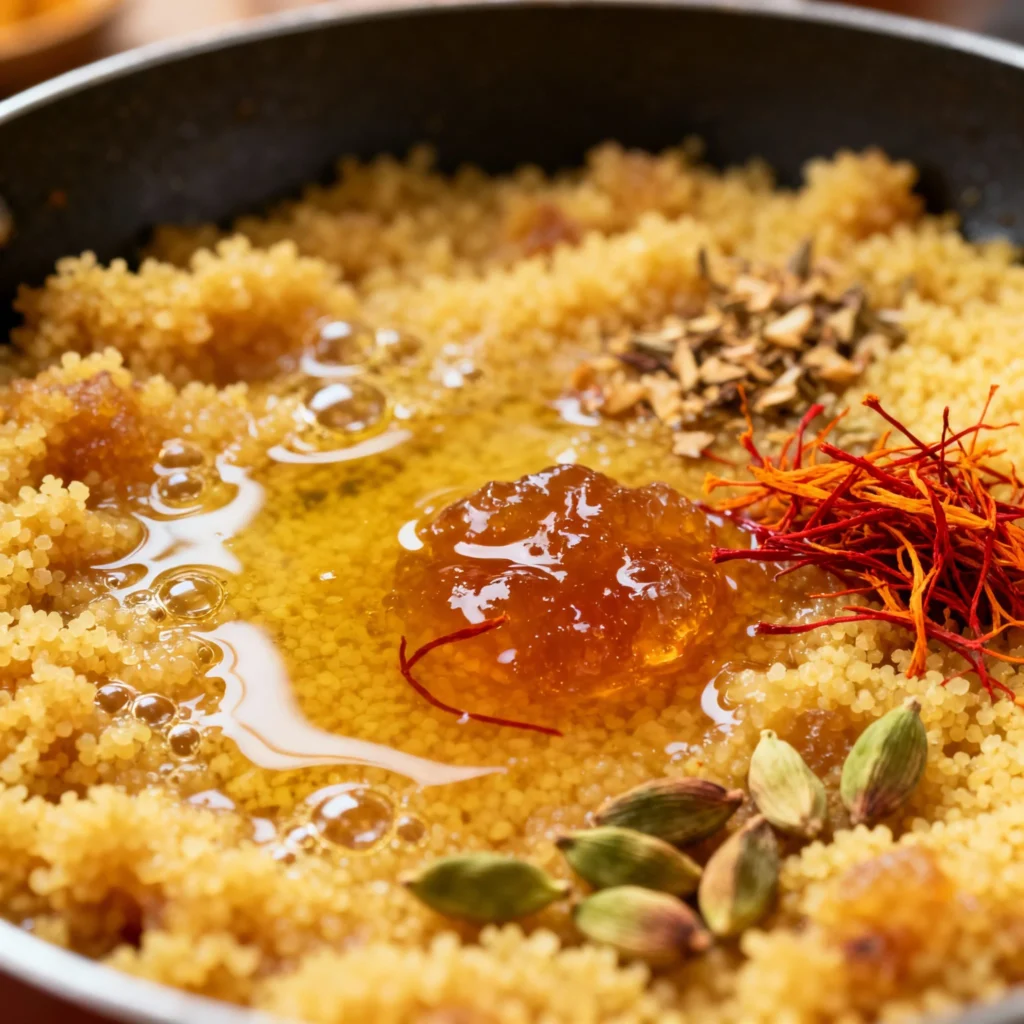
- Pinch of Saffron Strands (Optional): For added color and aroma. Soak in a tablespoon of warm milk for 15 minutes before adding to the halwa.
Instructions
- Prepare the Nuts: Chop the nuts into small pieces and set aside. If using saffron, soak the strands in warm milk.
- Roast the Sooji: In a heavy-bottomed pan or kadhai (Indian wok), melt the ghee over medium heat. Add the sooji and start roasting it, stirring constantly.
- Patience is Key: Continue roasting the sooji for 10-12 minutes, or until it turns a light golden brown and releases a nutty aroma. Be careful not to burn it. Reduce the heat to medium-low if needed.
- Add Hot Water: Once the sooji is roasted, carefully pour in the hot water. Be cautious as it will splatter. Stir continuously to prevent lumps from forming.
- Cook Until Absorbed: Continue cooking the sooji on medium-low heat, stirring constantly, until the water is completely absorbed. This will take about 5-7 minutes.
- Add Sugar: Add the sugar and stir well until it dissolves completely. The halwa will become slightly watery again.
- Cook and Thicken: Continue cooking, stirring constantly, until the halwa thickens and starts to leave the sides of the pan. This should take another 5-7 minutes.
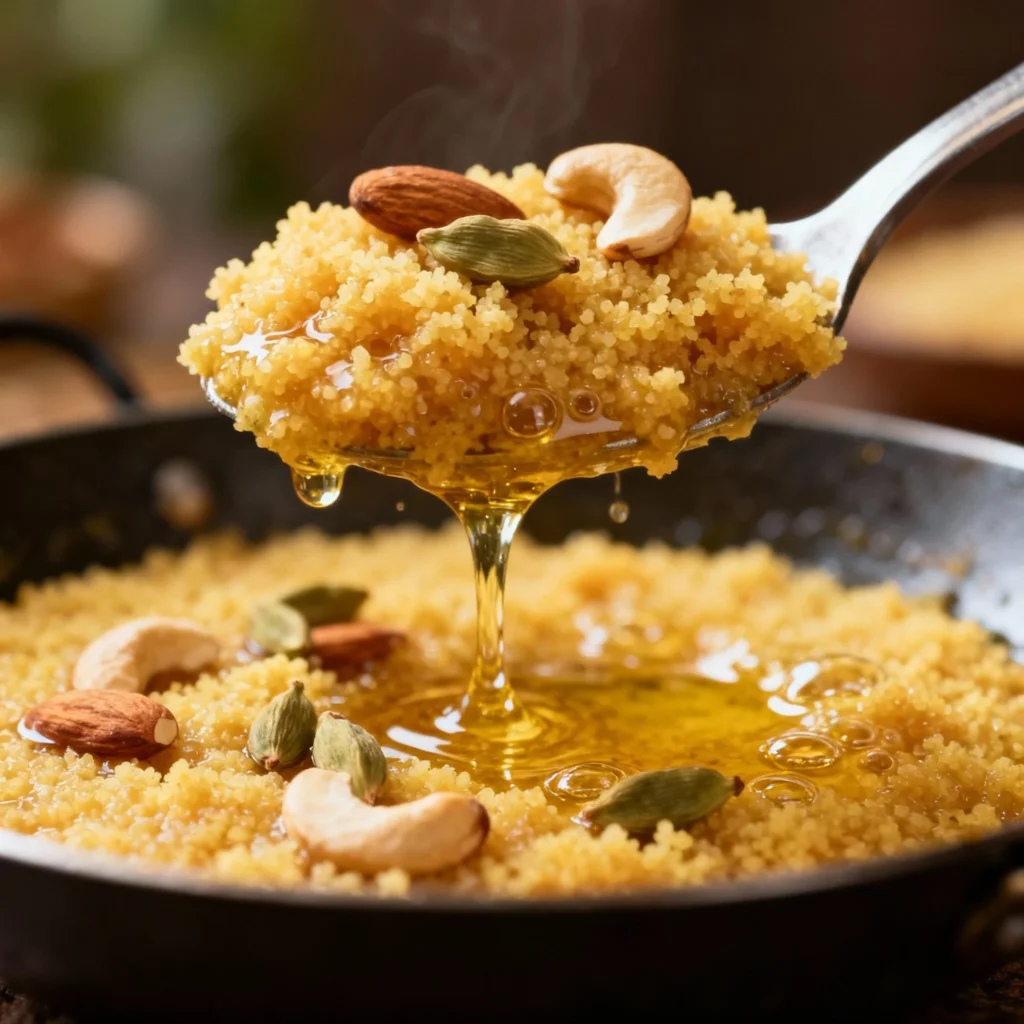
- Add Flavorings: Stir in the cardamom powder and chopped nuts (reserve some for garnish). If using saffron milk, add it now.
- Final Stir: Cook for another minute or two, stirring continuously, until the halwa reaches your desired consistency. It should be soft, moist, and easily spoonable.
- Serve: Garnish with the remaining chopped nuts and serve hot.
Tips for Success
Here are some additional tips to ensure your sooji ka halwa turns out perfectly every time:
- Use a Heavy-Bottomed Pan: This will prevent the sooji from burning.
- Stir Constantly: Continuous stirring is essential to prevent lumps from forming and to ensure even cooking.
- Don’t Over-Roast: Over-roasting the sooji will result in a bitter taste.
- Adjust Sweetness: Adjust the amount of sugar to your preference.
- Use Good Quality Ghee: The quality of the ghee will significantly impact the flavor of the halwa.
- Add Warm Milk (Optional): For a richer and creamier halwa, you can substitute 1/2 cup of the water with warm milk.
- Experiment with Flavors: You can add other flavorings, such as rose water or kewra essence, to customize the halwa to your liking.
Storage Instructions
Sooji ka halwa is best enjoyed fresh, but leftovers can be stored in an airtight container in the refrigerator for up to 2-3 days. Reheat gently in a microwave or on the stovetop before serving. You may need to add a splash of milk or water to rehydrate it slightly.
FAQ
- Can I use oil instead of ghee? While you can use oil, it will significantly alter the flavor and texture of the halwa. Ghee is essential for the authentic taste and smooth consistency.
- My halwa is too dry. What should I do? Add a little hot milk or water, one tablespoon at a time, and stir until the halwa reaches your desired consistency.
- My halwa is too sticky. What should I do? Continue cooking the halwa on low heat, stirring constantly, until the excess moisture evaporates.
- Can I make this recipe vegan? You can substitute the ghee with a vegan butter alternative, but the flavor will be different.
- What kind of nuts can I use? Almonds, cashews, pistachios, and walnuts are all great options. You can also add raisins or other dried fruits.
🍰 The Master Baker & Prep Kit
Baking is a science, and meal prep requires efficiency. If you want consistently flaky pie crusts, perfectly risen cakes, and healthy meals ready for the week, these are the 5 upgrade tools that take your execution to the next level.
⚖️ OXO Good Grips 11lb Food Scale
The secret to why bakery bread and cookies are always perfect while home batches vary wildly. Measuring by weight (grams) instead of volume (cups) guarantees precise hydration and flawlessly consistent results every single time you bake.
🧑🍳 KitchenAid Classic Stand Mixer
The undisputed holy grail of the kitchen. From aggressively kneading heavy pizza doughs to whipping meringues into stiff peaks, this powerful motor saves your arms from exhaustion and cuts your hands-on prep time in half.
🍪 Silpat Premium Silicone Baking Mats
Stop wasting money on rolls of parchment paper or agonizing over cookies permanently fused to your metal pans. These reusable, professional-grade silicone mats ensure completely even heat distribution and instantly release even the stickiest caramel.
🌪️ Braun MultiQuick Immersion Blender
The ultimate shortcut tool for creamy tomato soups, lump-free gravies, and rapid smoothies. Avoid the burns and mess of dangerously transferring boiling liquids in batches to a traditional blender by simply blending right inside your cooking pot.
🍱 Premium Glass Meal Prep Containers
If you want to bake and cook healthier, batch preparation is required. These durable glass containers transition safely from freezer to microwave, never absorb tomato sauce stains, and feature airtight seals to keep your hard work fresh all week.
Conclusion
Congratulations! You’ve now mastered the art of making sooji ka halwa. With this recipe and these tips, you can confidently create this classic Indian sweet and enjoy its comforting and delicious flavors. Remember to practice patience, pay attention to the details, and most importantly, have fun! Whether you’re making it for a special occasion or simply craving a sweet treat, this sooji ka halwa recipe is sure to become a family favorite. Enjoy!